Independent IT audit and advisory
Independent IT audits for Toronto businesses.
Do you know what your IT provider is actually doing?
actually. audits your technology, cybersecurity, IT provider, spending and strategy, so you can decide on evidence, not assumptions.
We don’t sell IT. We verify it. No vendor commissions, no stake in the answer.

Trusted by
Verified testimonials
Read what clients said after an independent review.
Trust,
but verify.
The problem
Everything looks fine, until it isn’t.
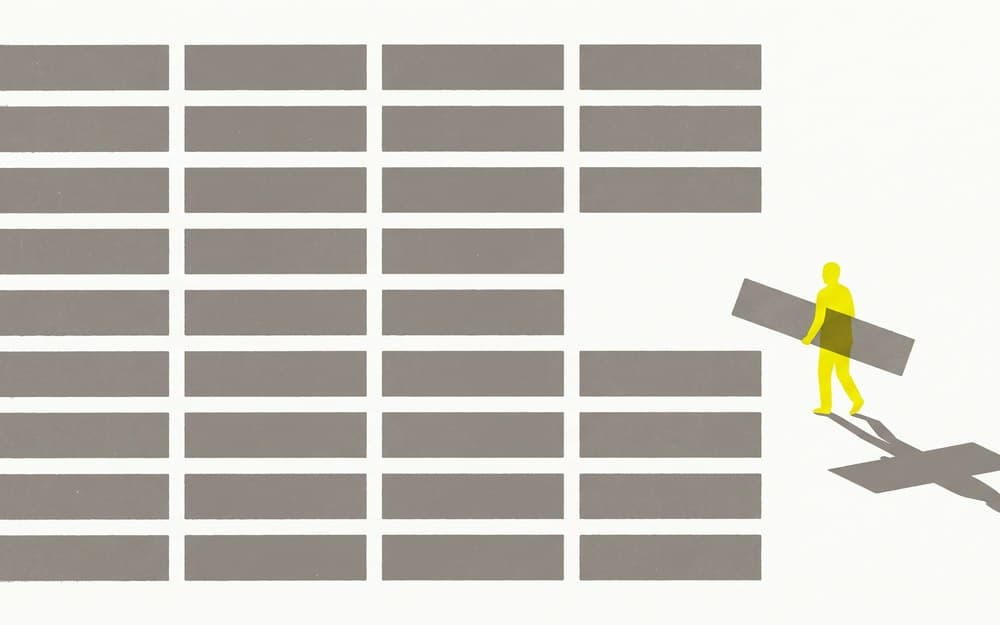
Most leaders do not receive bad information intentionally. They get technical reports without context, and dashboards full of green indicators. The important questions often go unanswered.

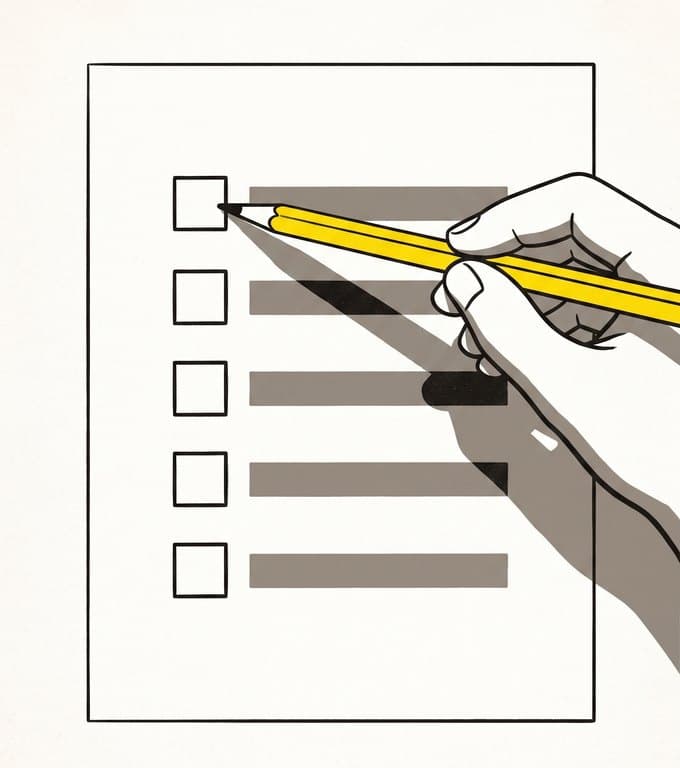
Free PDF · 5 pages
Get a free five page PDF checklist with ten questions to ask your IT provider.
You audit your finances. Who’s auditing your technology?

The oversight gap
We provide the oversight business technology has been missing.
Established precedent



Yet many businesses rely almost entirely on their technology provider to assess and report on its own work. actually. adds the independent layer between leadership and the people managing the technology.
 Further readingWhy technology has become a concentrated business riskHow the dependence built up, what the evidence shows, and what independent oversight of it looks like.Read the argument
Case studies
Two Canadian firms asked what their technology was actually carrying.
Both had an experienced managed service provider already in place, and systems that were running normally. What changed was what leadership knew.
Temspec Inc.
HVAC equipment manufacturer, established 1971. Canada.
Asked for an independent assessment of overall technology risk.
Existing provider retainedRead the case studyCase study 02Goodkey, Weedmark & Associates Limited
Mechanical and electrical engineering consulting, more than 65 years. A division of Englobe. Canada.
Asked for independent assurance that the technology was supporting the business securely.
Existing provider retainedRead the case studyClient testimonials
In their words.
What leadership said after an independent review. Read the full engagement records for the scope and context.
“The review gave us an objective perspective we simply weren’t getting anywhere else. It wasn’t about criticizing our IT provider; it was about helping us better understand our technology risks so we could make informed business decisions.”
“The Actually Review provided a level of strategic insight that went beyond day-to-day IT support. It gave our leadership team an independent perspective on technology risk and a clear roadmap for strengthening our environment.”
If you are comparing IT providers right now
Both clients in our case studies kept the provider they had.
What changed is that someone independent had checked the work. If you are choosing a provider, we review the proposals. If you are renewing, we review the year. If you are doubting, we review the evidence. Both engagements are described in full in our case studies.
Independent clarity at every level
Three ways to work with us.
The Actually Review
A comprehensive independent assessment of your technology environment, cybersecurity controls, provider performance, spending and strategy. You receive a plain-language executive report, prioritized findings and a practical action plan.
Explore the Review →02Actually Oversight
Recurring independent review and governance for your MSP, internal IT, or both.
Explore Oversight →03Actually Leadership
Fractional CIO and technology advisory for businesses that need strategic leadership without a full-time hire.
Explore Leadership →The essentials
Five questions every business leader should be able to answer.
- 1Are we secure?Not “do we own security tools?” Are the right controls configured, monitored and tested?
- 2Can we recover?Not “do we have backups?” Can critical systems and information actually be restored within an acceptable timeframe?
- 3Are we receiving what we pay for?Are contracted services delivered consistently, documented properly and producing measurable value?
- 4Is technology helping the business?Does the technology plan support growth, efficiency, profitability and risk reduction?
- 5Who is independently verifying all of this?Your provider should be trusted. That does not mean its work should never be independently reviewed.
Five questions. One independent answer.
If any of these gives you pause, that is what a review answers.
Request a ReviewThe Checks
Questions about your IT provider, answered.
Practical guides to the evidence worth asking for, what it can show and what still needs checking. We sell no IT services.
- 01How to choose a managed IT provider, before you sign.Choosing a provider
- 02How to evaluate the managed IT provider you already have.Evaluating your provider
- 03Questions to ask before renewing your MSP contract.Contract renewal
- 04Your cyber insurance questionnaire: who checked the answers?Cyber insurance
- 05Comparing managed IT proposals? Compare scope before price.Comparing providers
- 06Your IT provider was acquired. What to check before you renew.Provider acquired
- 07The catch in a free IT assessment: it is a sales call.Free assessments
- 08How much does an independent IT audit cost in Canada?What it costs
- 09The vCIO conflict of interest: who does your advisor work for?Advisor independence
- 10What IT support costs in Toronto, and how to check your bill.Toronto and the GTA
- 11Before switching IT providers, verify these first.Switching providers
How it works
Five steps, start to finish.





What we often discover
The gap between what leadership believes and what the evidence shows.
“Everything was green.”
Green dashboards do not always mean low risk. Sometimes they simply mean that no one is measuring the right things.
Who we help
Built for businesses that have outgrown blind trust.
Established organizations of 25 to 250 people that depend on technology but have no independent technology governance.

We do not sell the tools we assess.
Independent advice, not another subscription. Our role is to determine what you have, what you need, what is working, what is being missed, and what should happen next. More on why independence matters here.

About the founder
Three decades in business technology.
Andre founded his first technology business in 1995 and built it into an established management and consulting company. He saw the industry from both sides, and the structural problem facing owners: the company that sells, implements and monitors the technology is often the only one explaining whether it works.
actually. was created to provide the independent perspective that was missing.
The Actually Brief
Clear thinking for leaders responsible for technology.
No unnecessary technical language. No product pitches. No panic. Just the questions leaders should be asking.